
 Our story
 The logbook
 Perspectives
Industry Snapshot
U.S. flight schools are growing rapidly to meet both domestic and international pilot demand. However, the supply of new trainer aircraft has not kept up, constrained by low production volumes and long lead times. This mismatch between growing enrollment and limited fleet availability is driving up lease demand and sustaining strong economics for aircraft lessors.
Trainer Aircraft Supply Constraints
- Cessna 172S: ~150–200 units/year — barely meeting demand.
- Piper Archer TX: ~80–100/year — often backlogged.
- Piper Seminole (Twin): ~20–30/year — essential for multi-engine training, chronically undersupplied.
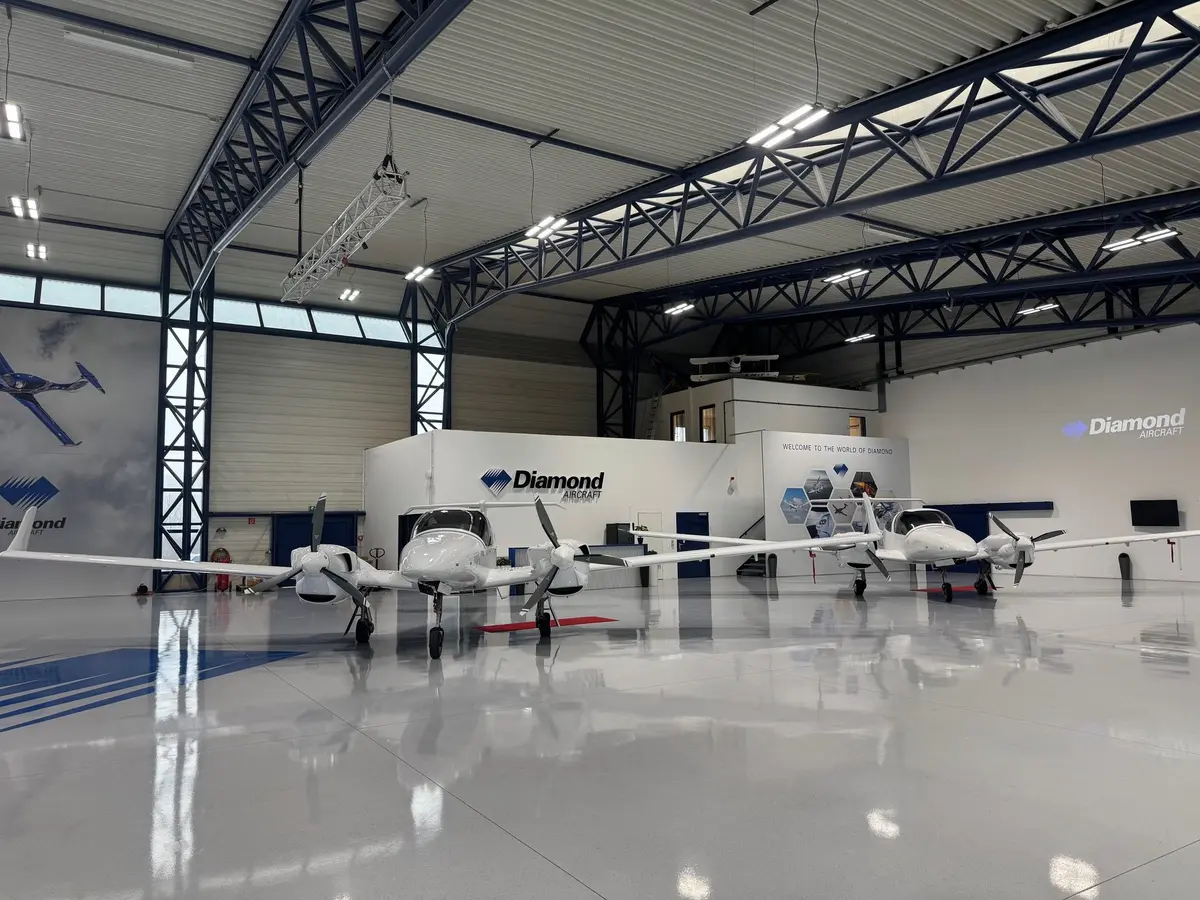
- Diamond DA40 (Single): ~40–60 units/year — limited throughput due to production bottlenecks and material sourcing, particularly for composite structures; often long lead times.
- Diamond DA42 (Twin): ~30–40 units/year — consistently constrained supply; demand from both flight schools and private owners outpaces deliveries, with multi-engine trainers especially scarce.
Production volumes fall short of demand from fleet replacement, growth, and global student influx, creating a supply gap — and opportunity.
Why Flight Schools Lease
- Preserve Cash: Avoid large capital outlays.
- Scale with Demand: Add/remove aircraft with enrollment cycles.
- Better Safety & Uptime: Standardized maintenance requirements.
- Cost Clarity: Fixed monthly lease payments simplify budgeting.
Favorable Market for Lessors
- Rising Demand: U.S. student pilot starts up 30%+ since 2019 (FAA).
- Supply Bottlenecks: Aircraft production remains tight, boosting lease rates.
- Resilient Assets: Trainers last 30+ years, enabling multiple lease cycles with strong residuals.
Outlook
With pilot demand surging and trainer aircraft supply constrained, leasing remains a highly attractive strategy. Lessors benefit from strong cash flow, low downside risk, and long-duration asset utility — all in a sector central to global aviation’s future.
First published on peregrinehoward.com.
All insights